
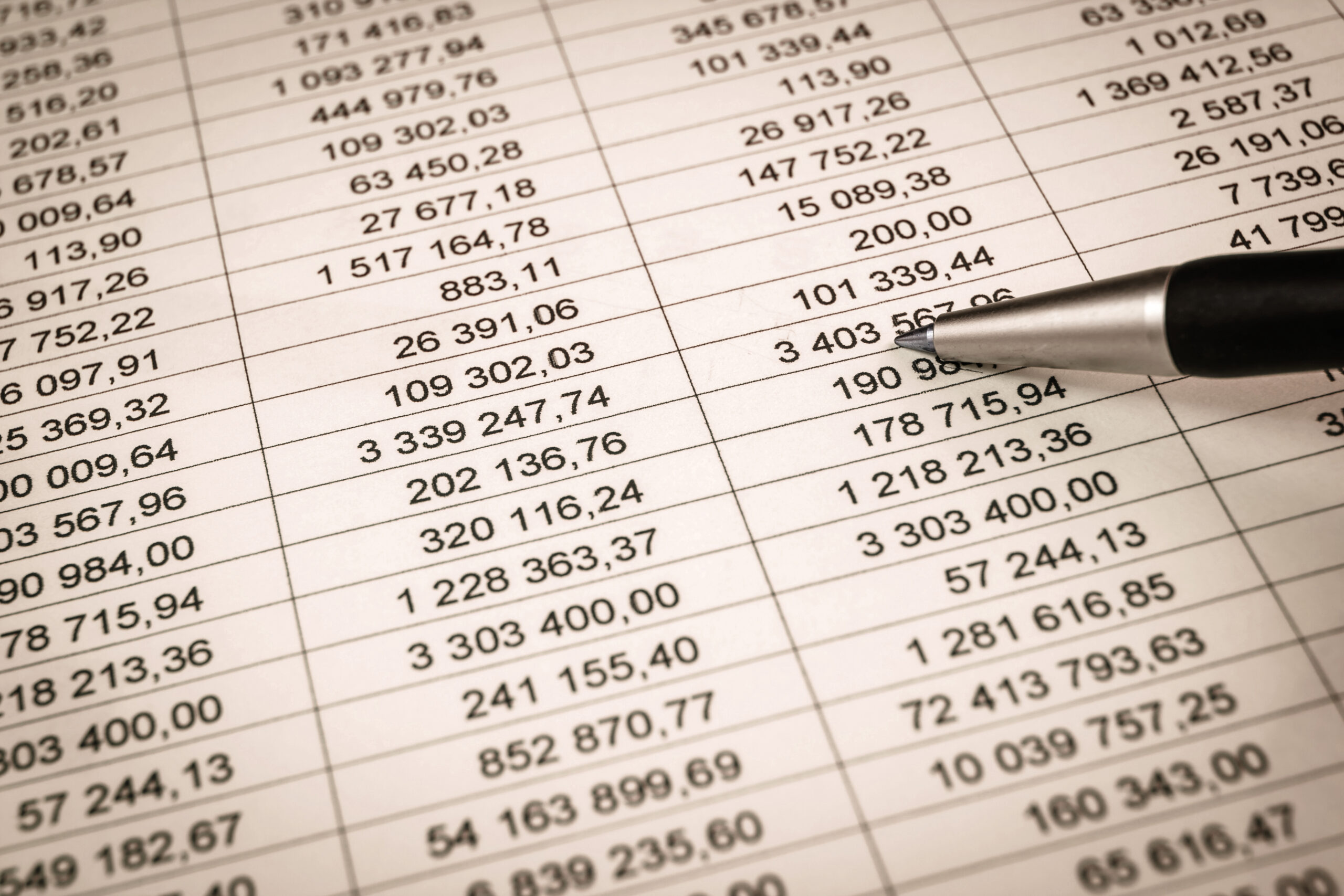
The Role of the Accountant Is Changing
For many Singapore SMEs, the traditional relationship with an accountant has been relatively straightforward. The business operates throughout the year, financial transactions are recorded, accounts are prepared, tax obligations are handled, and management receives the necessary financial statements. As long as the numbers are completed accurately and the relevant deadlines are met, the accounting relationship may appear to be doing exactly what it is supposed to do. However, the business environment in 2026 is changing quickly, and the expectations placed on accountants are beginning to change with it.
Singapore businesses are becoming increasingly digital, accounting software is automating tasks that previously required substantial manual work, electronic invoicing is expanding through InvoiceNow, and artificial intelligence is gradually becoming part of everyday business processes. At the same time, SME owners continue to deal with familiar challenges such as rising operating costs, manpower constraints, cash flow pressure and uncertainty in the wider economy. These developments mean that businesses increasingly need financial information that does more than satisfy an annual compliance requirement. They need information that can help them understand what is happening within the company while there is still time to make decisions.
The accountancy profession itself is responding to these changes. In May 2026, Singapore refreshed its Skills Framework for Accountancy to reflect the capabilities that accounting professionals increasingly require. The updated framework incorporates artificial intelligence competencies across accounting roles and introduces a new sustainability reporting pathway, reflecting the growing influence of technology and changing business requirements on accounting work. For SME owners, this is an important indication that the profession is evolving alongside the companies it serves.
The question for businesses is therefore no longer simply whether accountants will still be needed as technology becomes more capable. A more useful question is what businesses should expect accountants to contribute when software can perform an increasing amount of routine accounting work. The fundamentals remain essential. Accurate bookkeeping, financial reporting, tax compliance and proper record keeping still matter, and businesses should not compromise on them. However, as technology reduces some of the administrative burden involved in producing financial information, accountants have an opportunity to spend more time helping businesses understand that information.
For example, knowing that revenue increased by 10 per cent is useful, but management may also need to understand whether profit margins increased at the same time. A company may report a healthy profit but still experience cash flow pressure because customers are taking longer to pay. Expenses may increase significantly because the business is expanding rather than because costs are being poorly controlled. The numbers provide the starting point, but understanding the business circumstances behind those numbers is what makes the information genuinely useful.
This is where the role of modern accounting firms in Singapore is beginning to extend beyond simply recording historical transactions. Businesses should increasingly expect their accountants to provide clear financial information, identify significant changes and help management understand what those changes mean. The accountant does not replace the judgement of the business owner, but good accounting information can give management a stronger foundation for making decisions.
Technology Is Taking Over More Routine Accounting Work
One of the biggest forces changing accounting is automation. Traditional accounting contains many repetitive activities, including entering transactions, processing invoices, categorising expenses, reconciling information and transferring data between systems. These tasks remain necessary, but technology can increasingly perform or assist with many of them. Cloud accounting platforms can connect directly with bank accounts, digital tools can extract information from invoices and receipts, automated rules can categorise recurring transactions, and financial reports can be produced almost immediately once the underlying data has been recorded correctly.
Artificial intelligence is extending these capabilities further. Singapore’s Ministry of Manpower reported in April 2026 that 28.5 per cent of firms had begun adopting AI, although only 3.8 per cent had integrated it into their core processes. Adoption was also considerably higher among larger companies than smaller businesses. For SMEs, this suggests that AI adoption is progressing but remains at a relatively early stage for many companies. Businesses therefore have an opportunity to consider carefully where automation provides genuine value instead of introducing AI simply because it has become a popular business trend.
Accounting is particularly suitable for certain forms of automation because much of the work involves structured financial information. If software can recognise a recurring transaction, extract information from a supplier invoice or match a bank transaction with an accounting entry, employees may no longer need to perform every step manually. For businesses processing large volumes of transactions, this can save significant time and reduce simple data entry errors. It can also allow accounting professionals to spend less time performing repetitive tasks and more time reviewing information that requires judgement.
However, automation should not be confused with accuracy. A system can process information extremely quickly while still producing the wrong result if the underlying information or configuration is incorrect. An automated rule may repeatedly categorise an expense incorrectly. Customer or supplier information may be outdated. A transaction may look similar to previous transactions while requiring different accounting treatment. This is why human review remains important even when accounting processes become more automated.
Businesses should therefore expect accounting firms in Singapore to understand both accounting fundamentals and the technology increasingly used to perform accounting work. An accountant should be comfortable working with digital systems while remaining capable of identifying situations where professional judgement is necessary. The objective is not to compete with technology by performing manually what software can already do efficiently. The objective is to use technology to improve productivity while ensuring that the resulting financial information remains reliable.
This change also affects what businesses are actually paying accounting professionals to do. If software can automatically process hundreds of straightforward transactions, the accountant’s value increasingly comes from reviewing the results, investigating unusual items, ensuring records are properly maintained and explaining important financial developments to management. Technology may reduce the amount of manual processing required, but it can increase the value of people who know how to interpret the information produced.
InvoiceNow Shows Where Singapore’s Financial Environment Is Heading
Singapore’s InvoiceNow initiative provides another clear indication of how financial administration is becoming increasingly digital and connected. InvoiceNow allows businesses to transmit structured electronic invoices directly between compatible systems using the Peppol network. This is different from simply creating a PDF invoice and sending it through email because structured electronic invoicing allows invoice information to move between systems without requiring the recipient to manually extract and enter the same data again.
The development became particularly significant in 2026. From 1 April 2026, businesses applying for voluntary GST registration became subject to the GST InvoiceNow Requirement. Singapore has also announced that the requirement will progressively expand to the remaining GST-registered business population between April 2028 and April 2031. Affected businesses will need to use InvoiceNow-Ready Solutions to transmit specified invoice information to IRAS as the implementation expands.
For businesses, the importance of InvoiceNow extends beyond the way invoices are delivered. It represents a broader shift towards financial information becoming more structured, connected and capable of moving between systems with less manual intervention. Tax administration is becoming increasingly digital, while accounting systems are becoming more integrated with the processes businesses use every day. This direction is likely to influence the work performed by accountants because clients may gradually require less assistance with certain forms of manual data processing while needing more support with the quality and organisation of their financial information.
Consider a business that currently prepares invoices manually. An employee creates an invoice, converts it into a PDF, sends it to the customer by email and records the transaction in the accounting system. The customer may then download the invoice and manually enter the same information into its own system. Several people may therefore handle the same financial data at different stages. Structured electronic invoicing can potentially remove some of these repetitive steps and allow information to move more efficiently.
However, removing manual data entry does not remove the need for proper accounting processes. Customer information still needs to be accurate, GST treatment still needs to be appropriate, credit notes still need to be handled correctly, and accounting records still need to be reconciled. Someone must also investigate unusual transactions and ensure that the information flowing through the system accurately reflects what happened in the business. Technology can improve the movement of information, but it cannot automatically guarantee the quality of that information.
This creates another opportunity for accounting firms in Singapore to provide value beyond basic processing. As businesses adopt InvoiceNow and other digital systems, accountants can help ensure that financial records remain properly organised and that accounting processes continue to produce reliable information. The relationship becomes less about transferring numbers from one document into another and more about ensuring that those numbers make sense within the broader financial picture.
For SMEs, this transition can be particularly valuable because many smaller businesses operate with limited internal finance resources. The owner may still be heavily involved in approving payments, monitoring customer collections and reviewing expenses. Better digital systems can reduce administrative work, while an external accounting provider can help maintain financial discipline and ensure that management has useful information available when decisions need to be made.
SMEs Should Expect Better Financial Visibility
One of the most important changes businesses should expect from modern accounting is better financial visibility. Traditionally, some SME owners only receive a complete picture of financial performance when annual accounts are prepared. The information may be accurate, but by the time management sees it, many of the events reflected in those accounts happened months earlier. In a fast-moving business environment, that can significantly reduce the usefulness of financial information for decision making.
Consider a company whose financial year ends in December. Several months later, the completed accounts reveal that gross profit margins declined substantially during the previous year. The information is valuable for understanding historical performance, but the business has already spent months operating under those weaker margins. If management had reviewed the information monthly or quarterly, the trend might have been identified much earlier. The company could then have investigated whether supplier costs were increasing, selling prices were too low or the product mix had changed.
Modern accounting systems make more regular reporting considerably easier. Transactions can be recorded throughout the month, bank accounts can be reconciled regularly, and management reports can be generated without waiting until year end. This allows businesses to monitor financial developments while there is still time to respond. The accountant can help ensure that the information is sufficiently accurate and organised to make those reports meaningful.
Receivables are a good example. A company may continue reporting strong sales while customers gradually take longer to pay. Revenue therefore looks healthy, but cash flow begins to tighten. If management only focuses on sales figures, the business may not recognise the problem until cash becomes difficult to manage. A regularly reviewed receivables ageing report can reveal which customers owe money, how long balances have remained outstanding and whether payment behaviour is deteriorating.
The same principle applies to expenses and profitability. A business owner may notice that monthly revenue is increasing and assume that performance is improving. However, if wages, rent, logistics costs and supplier prices are increasing even faster, profitability may actually be declining. Better financial visibility allows management to examine the relationship between revenue and costs rather than relying on one headline figure.
This does not mean every SME requires complicated financial dashboards or dozens of monthly reports. The information should match the size and complexity of the business. A small company may benefit simply from regularly reviewing revenue, gross profit margin, operating expenses, cash balances and outstanding customer payments. A larger business may need reporting by department, project, location or product category. The purpose is not to generate more reports for the sake of having them. It is to provide management with the information that actually helps the business understand its financial position.
For businesses evaluating accounting firms in Singapore, this is becoming an important distinction. The accountant should still ensure that records are maintained properly and compliance obligations are addressed, but businesses can increasingly expect financial information to be organised in a way that management can use throughout the year. The annual accounts remain important, but they should not necessarily be the first time the owner discovers how the company has been performing.
Accountants Should Be Able to Explain What the Numbers Mean
Better financial visibility only becomes useful when management can understand the information being presented. SME owners are experts in their own businesses, but many are not trained accountants. They may understand customers, products, employees and operations extremely well while finding formal financial statements more difficult to interpret. A modern accounting relationship should help bridge that gap.
Suppose a business reports S$2 million in annual revenue. The number sounds impressive, but by itself it says relatively little about financial performance. Management also needs to understand how much profit was generated from those sales, whether margins improved, how much of the revenue remains unpaid and whether operating expenses increased significantly. A business can increase revenue substantially while becoming less profitable, particularly if growth requires heavy discounting, additional employees or rapidly increasing supplier costs.
Cash provides another example. A profitable company can still experience financial pressure if customers pay slowly or large amounts of money are tied up in inventory. Likewise, a company can temporarily have a healthy bank balance while significant tax, supplier or loan obligations are approaching. Understanding the financial position therefore requires looking at several connected pieces of information rather than judging the company according to one figure.
This is where the human element of accounting remains valuable even as technology improves. Software can produce a profit and loss statement almost instantly, and AI can increasingly summarise financial movements. However, understanding why those movements occurred often requires knowledge of the business. Payroll may have increased because the company hired employees ahead of an expansion. Marketing expenses may have risen because management launched a new product. Gross margins may have declined because supplier costs increased or because the company deliberately reduced prices to attract new customers. The same movement can mean very different things depending on the commercial context.
The accountant should therefore be capable of having a conversation about the business behind the numbers. This does not mean every accountant needs to become a full business consultant, nor should businesses expect accountants to make management decisions on their behalf. The value comes from combining accurate financial information with clear explanations that help business owners understand what deserves attention.
Singapore’s accountancy sector is already moving in this direction as technology changes the nature of traditional compliance work. As routine processing becomes increasingly automated, skills such as judgement, communication, interpretation and understanding business context become more valuable. For SMEs, this creates an opportunity to expect more meaningful conversations from their accounting relationships without losing sight of the fundamentals that remain essential.
Accurate records still matter. Compliance still matters. Deadlines still matter. Proper bookkeeping still matters. The difference is that these activities should increasingly provide the foundation for something more useful.
For business owners, the question should no longer end with, “Have our accounts been completed?” It should continue into a broader discussion about what those accounts reveal about the company, whether important financial trends are developing and what management should be paying attention to next.
As accounting firms in Singapore continue adapting to AI, automation, InvoiceNow and the changing expectations of SMEs, this ability to turn financial information into something understandable will become increasingly important. Businesses do not simply need more numbers. They need reliable numbers presented with enough context to understand what those numbers are telling them about the business.
Accounting Should Help Business Owners Make Better Decisions
Accurate accounting records are important, but their value should not end once transactions have been entered correctly and financial statements have been prepared. For business owners, financial information becomes much more useful when it can support actual decisions. A growing SME may need to decide whether it can afford another employee, whether prices should be increased, whether a new outlet is financially viable or whether an expansion should be delayed until cash flow improves. These are commercial decisions that management ultimately needs to make, but reliable accounting information can provide a stronger foundation for making them.
This is particularly important because business owners often have access to information that feels more immediate than their accounting records. They can see how busy the shop is, how many enquiries are coming in, whether employees are occupied and whether customers appear satisfied. These observations are valuable, but they do not always reveal what is happening financially. A restaurant can be full while struggling with rising ingredient and manpower costs. A service company can have more projects than ever while experiencing cash flow pressure because customers are paying slowly. A retailer can report record sales while holding too much money in inventory that is difficult to sell.
Good financial information adds another perspective to these observations. Instead of asking only whether sales are growing, management can examine whether margins are improving at the same time. Instead of looking only at the bank balance, the business can consider upcoming liabilities and customer payments that remain outstanding. Instead of assuming that a particular product is profitable because it sells frequently, the company can examine the costs associated with generating those sales.
This is where businesses can increasingly expect more from accounting firms in Singapore. The accountant should still record and report financial information accurately, but that information can also be organised in ways that help management understand the financial consequences of its decisions. For some businesses, this may involve regular management accounts. For others, it may involve cash flow information, receivables reports or comparisons between current and previous periods. The appropriate level of reporting depends on the size and complexity of the company, but the objective remains the same. Accounting should help management see what is happening financially before important decisions are made.
A business owner does not need the accountant to run the company. Management still decides which customers to pursue, which products to sell, who to hire and where the company should expand. However, those decisions become easier to evaluate when management understands the financial position behind them. As technology makes accounting information available more quickly, the expectation should increasingly shift from simply producing numbers to making those numbers useful.
Cash Flow Deserves as Much Attention as Profit
One of the most important financial concepts for SME owners to understand is the difference between profit and cash flow. A company can be profitable while experiencing serious difficulty paying salaries, suppliers and other expenses. This can happen because accounting profit records economic activity differently from the actual timing of cash movements. Revenue may be recognised before a customer pays, inventory may absorb cash before it is sold, and investments in equipment can reduce available cash even though they are treated differently in the financial statements.
Consider a Singapore SME that completes a major S$100,000 project for a large customer. The project may contribute significantly to revenue and profit, but the customer could have payment terms that allow settlement 60 days later. During those two months, the SME still needs to pay employees, suppliers, rent and other operating expenses. If several large customers have similar payment terms, the company can find itself generating healthy revenue while constantly struggling with working capital.
This is why businesses should monitor accounts receivable rather than looking only at sales. A receivables ageing report can show which customers have outstanding balances and how long those amounts have remained unpaid. Management can then identify whether particular customers are consistently paying late and whether overdue balances are becoming a larger proportion of total receivables. The earlier this information is available, the more options the business has to respond.
An accountant can also help management understand how payment behaviour affects the wider business. A customer that generates a large amount of revenue may appear extremely valuable, but the relationship looks different if the customer regularly takes 90 or 120 days to pay. The SME is effectively financing part of that customer’s operations during the waiting period. Management may decide that the relationship is still worthwhile, but it should make that decision with a clear understanding of the cash flow implications.
Inventory can create similar pressure. A retailer may purchase large quantities of stock because management expects strong demand. Until those products are sold, however, cash remains tied up in inventory. If certain products move slowly, the company may have significant assets on its balance sheet while having relatively little cash available for daily operations. Regular accounting information can help management identify whether inventory levels are increasing faster than sales and whether working capital is becoming unnecessarily constrained.
Modern accounting firms in Singapore can therefore provide greater value when they help SMEs understand the relationship between profitability, receivables, inventory, liabilities and cash. The objective is not to make business owners obsess over every financial movement. It is to ensure that a company does not discover a cash flow problem simply because management focused entirely on revenue and profit.
Businesses Need to Understand Where Their Profit Actually Comes From
Another area where accounting can provide greater value is profitability analysis. Many business owners naturally monitor total revenue and total profit, but those figures may hide significant differences between products, services, customers or business locations. A company can appear profitable overall while certain activities consistently generate weak margins. Without sufficiently detailed accounting information, management may continue investing resources in those activities because their sales figures appear attractive.
Consider a professional services company offering three different types of services. One service generates 50 per cent of total revenue, so management naturally considers it the most important part of the business. However, that service may require significantly more employee time and external costs than the other two. Once those costs are considered, another service with lower revenue may actually generate a stronger profit margin. Understanding this difference can influence how the company allocates employees, sets prices and markets its services.
The same issue can occur in retail. A product may sell extremely well but generate only a small margin after discounts, supplier costs, delivery expenses and other related costs are considered. Another product may sell less frequently but contribute considerably more profit to each transaction. Management does not necessarily need to stop selling the lower-margin product because it may attract customers or support other sales, but the decision should be based on an understanding of the economics rather than revenue alone.
This type of analysis becomes increasingly practical as accounting systems improve. Transactions can be classified by department, project, location or other categories depending on how the business operates. However, businesses should avoid creating unnecessary complexity. There is little value in producing highly detailed reports that management never uses. The accountant and business owner should instead determine which information is genuinely useful for understanding performance and configure the accounting records accordingly.
This is another area where the relationship with accounting firms in Singapore can evolve beyond traditional compliance work. A business may begin with relatively simple accounting requirements, but as it grows, management may need more detailed information about where profit is being generated. The accounting structure can develop alongside the company so that financial reporting remains relevant to the decisions management needs to make.
AI Is Changing What Businesses Should Pay Accountants to Do
Artificial intelligence is likely to accelerate the shift away from purely manual accounting work. Software is becoming increasingly capable of reading documents, identifying transaction patterns, categorising information and producing summaries. These capabilities are useful because accounting contains many repetitive tasks that do not necessarily require professional judgement every time they are performed. If technology can process straightforward transactions accurately and efficiently, businesses have little reason to pay professionals simply to reproduce work that software can already perform.
This does not mean accountants become unnecessary. Instead, the value of human involvement changes. An automated system may identify that an expense increased significantly, but someone still needs to understand why. The increase could be caused by higher supplier prices, a one-off purchase, business expansion, incorrect accounting or even an unauthorised transaction. Technology can identify the pattern, while an experienced professional can investigate the commercial circumstances surrounding it.
The same applies to AI-generated financial summaries. A system may report that gross margins declined from one period to another, but management needs to understand what caused the change. Perhaps supplier costs increased while selling prices remained unchanged. Perhaps the company deliberately discounted products to acquire new customers. Perhaps the mix of products sold during the period changed. Each explanation has different implications for the business, and understanding those differences requires context.
For accounting firms in Singapore, this means technology should increasingly complement professional judgement rather than compete with it. Routine work can be automated where appropriate, while accounting professionals spend more time reviewing exceptions, interpreting information and communicating with clients. Singapore’s refreshed Skills Framework for Accountancy reflects this direction by incorporating AI-related competencies into accounting roles, signalling that the profession is expected to work with emerging technology rather than simply continue traditional processes unchanged.
SMEs should therefore evaluate accounting providers partly according to how effectively they use technology. A firm that still requires every document to be processed manually may become increasingly inefficient as better tools become available. At the same time, businesses should be cautious about providers that rely so heavily on automation that meaningful human review disappears. The strongest approach combines efficient technology with professionals who understand when judgement and investigation are required.
This balance becomes particularly important when accounting information influences significant decisions or compliance obligations. An AI tool may assist with processing and analysis, but management remains responsible for the company’s financial information. Businesses therefore need accountants who are capable of questioning automated outputs rather than assuming that a result must be correct because it was produced by software.
A Good Accountant Should Ask Questions About the Business
The accounting relationship should not consist entirely of the business sending documents and the accountant returning completed reports. To understand financial information properly, accountants sometimes need to understand what happened operationally during the period. Significant changes in the accounts often have commercial explanations, and asking the right questions can help ensure that the financial information reflects those circumstances accurately.
Suppose revenue increases significantly compared with the previous year. An accountant may ask whether the company won a major customer, introduced a new product or increased its prices. If payroll expenses rise substantially, the accountant may ask whether the business expanded its workforce or paid unusual bonuses. If the company purchases expensive equipment, additional information may be needed to understand what was acquired and how it is being used.
These questions should not be viewed as unnecessary interference. They provide context that numbers alone cannot always provide. Accounting software can show that a transaction occurred, but it may not explain the commercial reason behind it. The accountant who understands the business can connect financial movements with operational developments and identify areas where additional attention may be appropriate.
This becomes especially important when a company changes its business model. An SME may begin selling overseas, introduce subscription services, open another outlet, acquire another company or establish a new entity. Management naturally focuses on the commercial opportunity, but these developments may also affect accounting, tax, reporting and internal processes. Discussing major changes with the accountant early can help the business identify financial implications before they become year end problems.
Business owners should therefore consider whether their accounting provider demonstrates genuine interest in understanding how the company operates. Does the accountant notice unusual movements? Are significant changes discussed? Does the accountant understand how the company earns revenue and incurs its major costs? Can financial information be explained in terms that management understands? These characteristics can become increasingly valuable as technology handles more of the basic processing work.
Accounting Support Should Change as the Business Grows
A company’s accounting needs rarely remain the same throughout its life. A newly incorporated business with a small number of transactions may need relatively straightforward bookkeeping and compliance support. The owner may personally approve every payment, issue invoices and monitor the bank account. This can work perfectly well while the business remains small, but the same approach can become difficult to maintain as transaction volumes increase and more employees become involved.
A growing SME may eventually need regular management reports, GST support, payroll processing, cash flow monitoring and more structured controls over payments and financial information. If the company opens additional locations or establishes subsidiaries, accounting becomes more complex again. Management may need consolidated information, departmental reporting or clearer procedures governing who can approve different types of expenditure.
The accounting provider should be capable of recognising when these changes become necessary. This does not mean encouraging every SME to adopt complicated systems prematurely. Additional processes create costs and administrative work of their own, so they should be introduced when the business genuinely needs them. However, continuing to operate with financial practices designed for a much smaller company can also create problems.
For example, an owner may personally approve every payment when the company has five employees. Once the organisation grows to fifty employees, the same arrangement can create delays and place too much responsibility on one person. The business may need formal approval limits and clearer responsibilities. Similarly, a simple spreadsheet may work when a company issues ten invoices each month but become unsuitable when transaction volumes increase significantly.
Businesses comparing accounting firms in Singapore should therefore consider whether the provider can support more than their immediate requirements. A small company may only need bookkeeping today, but management may require GST support, management reporting, payroll, tax assistance or audit preparation later. An accounting relationship that can evolve alongside the business can reduce the need to rebuild financial processes every time the organisation reaches another stage of growth.
The accountant can also help management recognise when the business has outgrown existing processes. Owners are often extremely focused on customers, employees and operations, so inefficient financial procedures may continue simply because nobody has stopped to reconsider them. Regular conversations with an accounting professional can help identify where better systems or clearer processes would make financial management easier.
More Technology Should Lead to Better Conversations, Not Less Human Support
There is a risk that accounting digitalisation becomes interpreted purely as a way to reduce human interaction. If software can automatically process transactions and generate reports, businesses may assume that communication with an accountant becomes less important. In reality, the opposite may be true. As technology handles more routine work, the remaining human interaction can become more focused on questions that genuinely matter to management.
Instead of spending time discussing missing receipts or manually entered transactions, conversations can focus on why margins changed, whether receivables are becoming a problem, how costs are developing and whether the business has sufficient financial capacity for its plans. The accounting relationship can become less administrative and more useful without turning every accountant into a management consultant.
This is where SMEs should set realistic but higher expectations. Accounting firms in Singapore should continue delivering accurate records and meeting compliance requirements, but businesses can increasingly expect technology to make those fundamental processes more efficient. The time saved should create opportunities for clearer reporting, better communication and greater attention to financial issues that require professional judgement.
Technology can tell a business owner that revenue increased.
Accounting knowledge can help explain whether the increase actually improved profitability.
Software can show that customers owe S$300,000.
Financial analysis can help management understand whether those receivables are becoming a cash flow risk.
AI can highlight unusual transactions.
An experienced professional can investigate whether those transactions have a reasonable business explanation.
The future of accounting is therefore not simply about producing the same work faster. It is about using technology to shift attention towards the parts of accounting that provide greater value to businesses. For Singapore SMEs, this means the accountant of the future may spend less time entering information and more time helping management understand it.
As accounting firms in Singapore continue adapting to automation, AI and increasingly connected financial systems, businesses should expect their accounting relationships to evolve as well. Accurate bookkeeping and compliance remain the foundation, but they no longer need to be the end of the conversation. The greater opportunity is using reliable financial information to understand how the business is performing, recognise potential problems earlier and make decisions with a clearer view of the company’s financial position.
The Cheapest Accounting Service Is Not Always the Most Cost Effective
Cost will naturally remain an important consideration when SMEs compare accounting providers. Smaller businesses need to manage expenses carefully, and there is nothing wrong with comparing quotations from different accounting firms in Singapore. However, comparing accounting services purely according to monthly or annual fees can sometimes be misleading because two providers charging different prices may also be providing very different levels of service.
A basic accounting package may primarily cover transaction recording and preparation of the necessary accounts, while another provider may include more frequent reconciliations, management reports, GST support, payroll services or regular communication with the business owner. The cheaper option may be perfectly suitable for a small company with straightforward transactions, but businesses should understand exactly what they are receiving before comparing prices. A low fee only represents good value when the service actually meets the company’s requirements.
The condition of the accounting records also matters. Businesses sometimes reduce accounting costs by handling most of the bookkeeping internally, only to discover at year end that significant corrections are required. Transactions may have been classified incorrectly, bank accounts may not have been reconciled, supporting documents may be missing, or personal and business expenses may have been mixed together. The company then needs to pay for additional clean-up work before accurate financial statements can be prepared. What initially appeared to be a cheaper arrangement can become more expensive once the time and corrective work are considered.
This is particularly relevant as Singapore’s financial environment becomes more digital. Automation can reduce the cost of processing routine transactions, but businesses still need someone to ensure that the underlying information is reliable. If accounting software is configured incorrectly, the same mistake can be repeated across hundreds of transactions. If nobody reviews automated entries, errors may remain unnoticed for months. The objective should therefore be to use technology to improve efficiency without removing the controls and professional review necessary to maintain accurate records.
Businesses should also consider the cost of poor financial information itself. An accounting error that requires correction creates additional work, but an inaccurate management report can create a much larger problem if the business owner relies on it when making an important decision. Management could believe that a product is profitable when important costs have been excluded, underestimate outstanding liabilities or assume that cash flow is stronger than it actually is. The consequences of poor information can therefore extend far beyond the accounting fee.
When comparing accounting firms in Singapore, SMEs should ask what is included in the quotation, how frequently records will be updated, who will handle the account and what happens when questions arise. They should also understand whether additional services will be charged separately and whether the provider can accommodate the business if its requirements become more complex. Price remains important, but it should be considered together with accuracy, responsiveness, capability and the usefulness of the financial information being provided.
Businesses Should Know What They Actually Need From Their Accountant
Not every business needs the same level of accounting support. A newly incorporated consulting company with a small number of transactions may require relatively straightforward bookkeeping and annual compliance services. A retailer processing hundreds of transactions each day may require much more regular accounting work. A growing company with employees, GST obligations, several business locations and external financing may need another level of financial reporting altogether.
This is why businesses should identify their own requirements before searching for an accounting provider. Asking what services are available is useful, but asking what financial problems the company needs to solve can be even more valuable. Is management struggling to keep bookkeeping up to date? Are customer payments difficult to monitor? Does the owner have little visibility over monthly profitability? Is GST becoming increasingly complicated? Are accounting records consistently difficult to prepare for the annual audit? The answers can help determine what type of accounting support would provide the greatest value.
Some businesses may simply need reliable bookkeeping and compliance. There is nothing wrong with that. If management already has strong internal financial capabilities and only requires external assistance with particular functions, purchasing additional services would create unnecessary cost. Other businesses may need more frequent support because the owner is making decisions without sufficiently current financial information. The appropriate accounting relationship depends on the circumstances of the company.
The same principle applies to reporting. A small business owner does not necessarily need a thirty-page management report every month. A concise report covering revenue, profitability, cash, receivables and significant expenses may be considerably more useful. Larger businesses may require more detailed reporting by department, product, location or project. The purpose of financial reporting should be to provide useful information rather than producing complexity for its own sake.
This is another reason communication with the accountant matters. Businesses should be able to explain what they are trying to understand, while the accountant should be able to recommend an appropriate level of reporting. As the company grows, these requirements can be reviewed and adjusted. A service arrangement that was suitable three years ago should not automatically continue unchanged if the business has doubled in size and become significantly more complex.
The best relationship between SMEs and accounting firms in Singapore is therefore not necessarily the one containing the greatest number of services. It is the relationship that provides the right level of support for the company’s current circumstances while remaining capable of adapting when those circumstances change.
Accountants Can Help Businesses Spot Problems Earlier
One of the greatest benefits of maintaining current accounting information is the ability to identify financial problems before they become significantly more difficult to manage. Many business problems develop gradually. Customers begin taking slightly longer to pay. Supplier prices increase over several months. Payroll grows faster than revenue. Inventory starts accumulating. Profit margins decline slowly. Individually, each monthly change may appear relatively small, but the cumulative effect can become significant.
If accounting information is only reviewed once a year, management may not notice these trends until they have already affected the business for a considerable period. More regular reporting creates an opportunity to identify unusual movements and investigate them earlier. The accountant does not necessarily know the commercial reason behind every change, but the financial records can highlight areas that deserve management’s attention.
For example, a company’s revenue may remain relatively stable while its gross profit margin declines for six consecutive months. The accounting information identifies the pattern, but management then needs to determine the cause. Supplier prices may have increased, customers may be receiving larger discounts, or the company may be selling more lower-margin products. Each explanation would require a different response, but recognising the trend early gives the business more time to act.
Receivables provide another example. If the average time customers take to pay gradually increases, cash flow pressure may develop even while sales remain healthy. Regular monitoring can help management identify the problem and strengthen collection efforts before overdue balances become difficult to recover. Likewise, increasing inventory levels may indicate that purchasing decisions are no longer aligned with actual customer demand.
This does not mean accountants should automatically tell business owners what commercial decision to make. The accountant can highlight the financial information and explain what it indicates, while management considers the operational circumstances and decides how to respond. This combination can be particularly useful because the business owner understands the commercial environment while the accountant provides an independent financial perspective.
As technology improves, identifying these trends can become easier. Accounting systems can compare periods, generate ageing reports and highlight unusual movements automatically. AI may eventually make this analysis even more sophisticated. However, businesses still need people who can determine which changes are meaningful and place them within the context of the organisation.
This is where the value of accounting firms in Singapore can increasingly move beyond producing historical reports. The accounting provider can help ensure that management receives reliable information early enough to use it. For SMEs operating with relatively small financial teams, that visibility can be especially valuable because owners may otherwise spend most of their time focusing on customers and operations.
Businesses Should Not Wait Until Year End to Speak to Their Accountant
Another habit that may need to change is treating accounting as an annual event. If the accountant only becomes involved when year end approaches, opportunities to address financial issues earlier may be lost. Businesses do not necessarily need weekly meetings with their accountants, but significant developments should be communicated when they happen rather than several months later.
A company planning to open another location, purchase major equipment, begin selling overseas or introduce a new business model should consider whether the change has accounting or tax implications. Similarly, if the business experiences significant cash flow difficulties, rapidly increasing costs or unusual transactions, discussing the situation early can help management understand the financial impact.
Regular communication can also make year end work more efficient. Questions about unusual transactions can be resolved while the details are still fresh. Supporting documentation can be organised when transactions occur. Accounting treatments can be considered before large numbers of similar transactions accumulate. This reduces the likelihood of management attempting to reconstruct events many months later.
The increasing digitalisation of accounting should make this type of communication easier. Cloud accounting platforms allow financial information to be updated and accessed throughout the year, while digital documentation reduces the need to physically transfer files between the business and its accountant. The relationship can therefore become more continuous without necessarily requiring significantly more administrative work.
For business owners, this means accounting should gradually become part of normal financial management rather than something considered primarily when a filing deadline approaches. The company already generates financial information every day through sales, purchases, payments and other transactions. Using that information regularly allows management to obtain more value from work that the business needs to perform anyway.
What Should SMEs Expect From Accounting Firms in Singapore in 2026?
The changing business environment does not mean SMEs should suddenly expect their accountants to provide every form of business advice. Accountants have professional areas of expertise, and business owners remain responsible for running their companies. However, there are reasonable expectations that businesses can have as accounting technology and professional services continue to evolve.
First, businesses should expect accurate and organised financial records. Technology may change how transactions are processed, but reliability remains fundamental. Accounting information is used for financial reporting, tax compliance, audit preparation and management decisions, so the underlying records need to be maintained properly.
Second, businesses should expect greater efficiency from technology. Routine processes that can be automated reliably should not continue requiring unnecessary manual work simply because they have always been performed that way. Cloud accounting, bank integrations, digital invoicing and other tools can reduce repetitive processing and make financial information more accessible.
Third, SMEs should expect communication that they can understand. Business owners should not need an accounting qualification to understand whether their company is profitable, whether cash flow is becoming tight or why a significant financial movement occurred. Accountants should be capable of explaining important issues in practical language while maintaining professional accuracy.
Fourth, businesses can increasingly expect financial information to be available more regularly. Annual financial statements remain important, but management should not need to wait until year end to discover significant trends. Depending on the needs of the company, regular management reports can provide much better visibility over performance.
Finally, businesses should expect their accounting relationship to evolve. A company with ten transactions a month has different requirements from one processing thousands of transactions across several locations. The accounting arrangements should be capable of adapting as transaction volumes, employees, systems and reporting requirements become more complex.
These expectations reflect a broader transformation taking place within Singapore’s accountancy profession. Technology is increasingly capable of handling routine work, while the skills required from accounting professionals are expanding into areas such as data interpretation, technology and advisory capabilities. For SMEs, this should ultimately mean that accounting becomes less focused on moving information between documents and more focused on ensuring that financial information is reliable and useful.
Conclusion
The accounting profession is changing, but the fundamental purpose of accounting remains the same. Businesses need reliable financial information to understand what has happened, meet their obligations and make informed decisions. What is changing is the way that information is produced and how quickly it can become available to management.
Artificial intelligence, automation, cloud accounting and Singapore’s expanding digital financial infrastructure are reducing the amount of manual work required for many routine accounting activities. Invoice information can increasingly move directly between systems. Bank transactions can flow automatically into accounting platforms. Software can categorise recurring transactions and produce reports almost instantly. AI can assist with identifying patterns and summarising financial information.
These developments should create opportunities for accounting firms in Singapore to provide greater value in areas where human experience remains important. Instead of spending most of their time entering information, accounting professionals can increasingly focus on reviewing whether the information is reliable, investigating unusual movements and helping clients understand what their financial results actually mean.
For SMEs, this creates an opportunity to reconsider what they expect from their accounting relationship. Completing the accounts and meeting statutory deadlines remain essential, but those activities do not need to represent the entire value of accounting services. Businesses can also benefit from better visibility over cash flow, profitability, receivables, expenses and other financial trends throughout the year.
This does not mean every SME needs complicated financial analysis. A small business may only require several key reports and occasional discussions with its accountant. The objective is not to overwhelm business owners with financial information. It is to ensure that the information provided is relevant enough to help management understand the company.
Technology should make this easier rather than more complicated. If automation reduces repetitive administrative work, businesses and accountants can spend more time discussing the financial issues that actually matter. If digital systems provide information more quickly, management can identify potential problems earlier. If AI can analyse large volumes of transactions, accounting professionals can focus more attention on exceptions and areas requiring judgement.
At Bookkeeping Services Singapore, we understand that reliable accounting remains the foundation of good financial management. As businesses become more digital, maintaining accurate records, understanding financial performance and keeping up with changing requirements remain important for SMEs at every stage of growth. The right accounting support should help businesses stay organised while ensuring management has access to financial information that is clear and useful.
When comparing accounting firms in Singapore, business owners should therefore look beyond the question of who can prepare their year end accounts. They should consider whether the accounting provider understands their business, communicates clearly, uses technology effectively and can provide the level of financial visibility the company needs.
They should also consider whether the relationship can grow with the business. The accounting requirements of a company can change significantly as revenue increases, employees are hired, GST obligations arise, new locations are opened or operations become more complex. A provider that understands these changes can help ensure the financial processes supporting the business evolve at the same time.
The accountant of 2026 is still responsible for getting the numbers right. That has not changed. What is changing is what businesses can do with those numbers once they have them.
For Singapore SMEs, the greatest value may no longer come simply from knowing what happened last year. It may come from understanding what is happening now, why it is happening and what management needs to pay attention to next.