
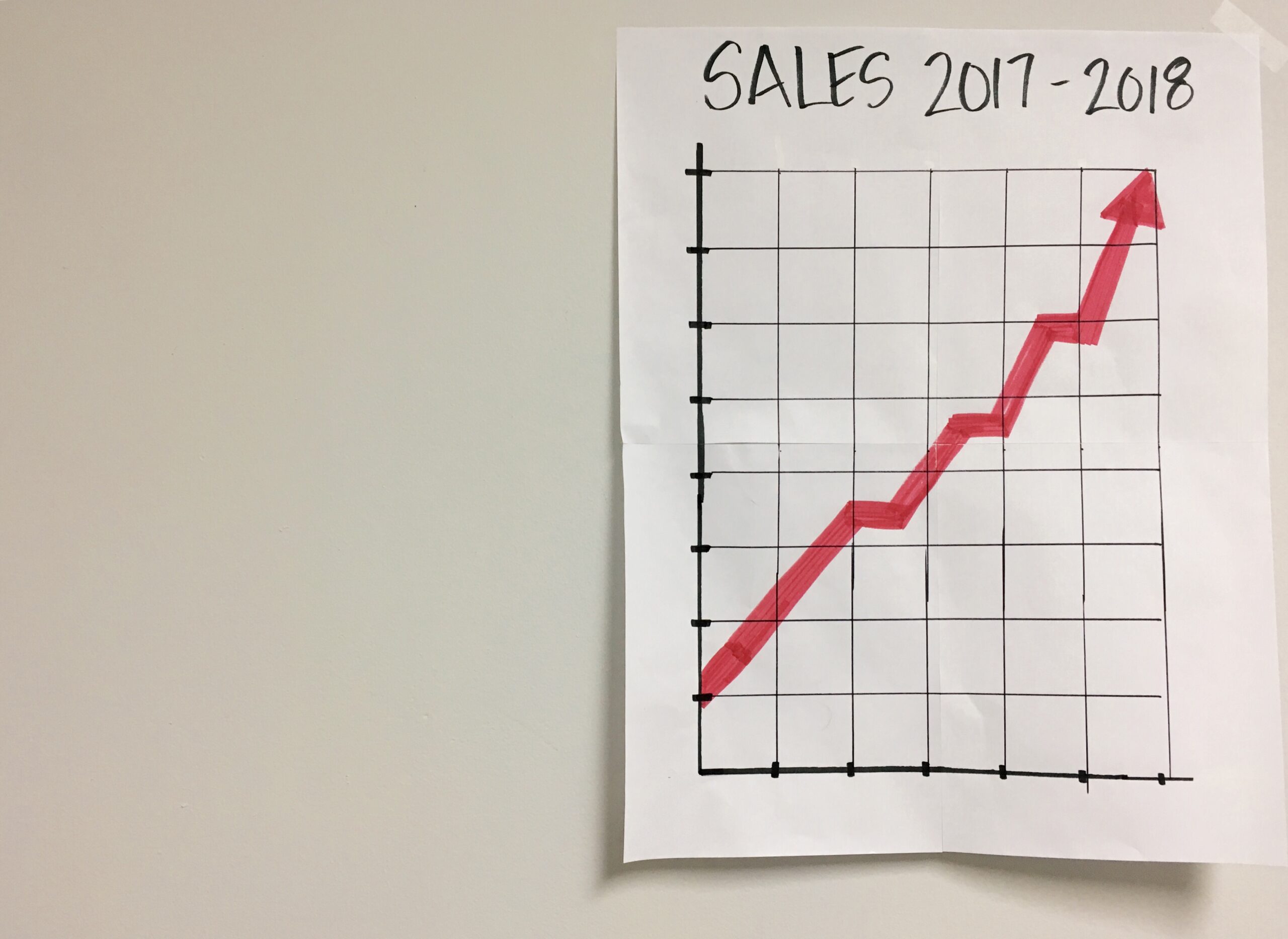
Sales Are Exciting, but They Do Not Tell the Whole Story
Ask almost any business owner what number they check most often, and the answer is usually the same.
Sales.
Whether it is daily revenue, weekly orders, monthly turnover, or the latest customer enquiries, sales figures often become the main indicator of how the business is performing. It is understandable why. Higher sales usually feel like progress, while lower sales naturally raise concerns.
Modern technology has made this even easier. Business owners can now open a mobile app and immediately see how much their business has earned today. E-commerce platforms display live orders, point-of-sale systems generate instant sales reports, and accounting software provides dashboards that update throughout the day.
Sales have become one of the easiest business metrics to monitor.
However, there is one important question every business owner should ask.
Does higher sales always mean a healthier business?
The answer is not always.
A business can experience record-breaking sales while struggling with cash flow, shrinking profit margins, increasing operating costs, or overdue customer payments. These issues often remain hidden if management focuses only on revenue.
This is why successful businesses look beyond sales. They understand that revenue is only one part of the financial picture, and that understanding the complete picture requires accurate bookkeeping and regular financial reporting.
Revenue Is Only the Beginning of the Story
Sales revenue tells you how much money your business has generated from customers.
It does not tell you how much money the business has actually earned after paying suppliers, employees, rental expenses, utilities, software subscriptions, marketing costs, and countless other operating expenses.
Imagine two businesses that each report monthly sales of S$500,000.
At first glance, both companies appear equally successful.
However, one business maintains healthy profit margins, controls operating expenses carefully, and collects customer payments promptly.
The other business struggles with rising costs, delayed customer payments, and increasing overhead expenses.
Although their revenue is identical, their financial health may be completely different.
This is why relying solely on sales figures can create a false sense of confidence.
Business owners who regularly review complete financial reports gain a much better understanding of what is actually happening behind those revenue numbers.
Good bookkeeping transforms sales data into meaningful financial information that supports better decision-making.
Why Many Business Owners Overlook the Other Numbers
Running a business is demanding.
Owners spend their days meeting customers, managing employees, negotiating with suppliers, solving operational problems, developing new products, and pursuing growth opportunities.
With so many responsibilities competing for attention, financial reports often receive less attention than they deserve.
Many business owners only review detailed financial statements when preparing tax filings, meeting their accountant, or approaching year-end reporting.
Some assume that if sales remain healthy, everything else must also be performing well.
Unfortunately, business performance is rarely that simple.
Problems often develop gradually.
Operating expenses increase month after month.
Customer payment periods become longer.
Inventory begins accumulating.
Profit margins slowly decline.
Cash flow becomes tighter despite growing revenue.
None of these warning signs are immediately visible by looking at sales figures alone.
Without accurate bookkeeping and regular financial reporting, businesses may not recognise these trends until they become much more difficult to address.
The Numbers That Deserve Just As Much Attention
While sales remain important, they should never be the only financial indicator management reviews.
Successful business owners pay close attention to several other financial measures because together they provide a much clearer understanding of business performance.
Cash flow is one of the most important.
A profitable business can still experience financial difficulties if customer payments are delayed while operating expenses continue to fall due every month.
Business owners should also understand their operating expenses.
Even modest increases in rental costs, salaries, logistics, insurance, or supplier prices can gradually reduce profitability without attracting immediate attention.
Gross profit margins deserve regular review as well.
Increasing sales through heavy discounting may generate impressive revenue figures while reducing the actual profit earned from each transaction.
Customer receivables provide another valuable insight.
If customers are taking significantly longer to pay their invoices, the business may eventually experience cash flow pressure even though sales remain strong.
These financial indicators work together to provide a much more complete understanding of business performance than sales figures alone.
Good Bookkeeping Helps You See the Complete Picture
This is where professional bookkeeping becomes much more valuable than many business owners realise.
Bookkeeping is often misunderstood as simply recording transactions or preparing reports for compliance purposes.
In reality, accurate bookkeeping provides the information businesses need to understand how they are performing every single month.
When financial records are maintained consistently, management can quickly identify changes in profitability, monitor cash flow, track expenses, review customer payment trends, and evaluate overall financial health.
Instead of relying on assumptions or instinct, business owners gain access to reliable information that supports better decisions.
This becomes particularly important as businesses grow.
Higher transaction volumes, additional employees, more suppliers, and expanding operations naturally increase financial complexity.
Without organised bookkeeping, important trends can easily go unnoticed until they begin affecting business performance.
The businesses that achieve sustainable growth are rarely the ones that simply generate the highest sales.
They are often the ones that understand their numbers beyond revenue and use that knowledge to make smarter decisions, respond earlier to challenges, and build stronger financial foundations for long-term success.
Cash Flow Is More Important Than Many Business Owners Realise
One of the biggest surprises for many business owners is discovering that a company can be profitable on paper while struggling to pay its bills.
This usually happens because profit and cash flow are not the same thing.
A business may have completed many sales during the month, but if customers have not paid their invoices, that money is not yet available to cover salaries, rent, suppliers, or operating expenses.
This situation is particularly common among businesses that offer credit terms to customers.
Imagine completing several large projects worth hundreds of thousands of dollars. Revenue looks impressive, but if payment terms are 60 or 90 days, the business still needs enough cash to operate during that period.
Without careful cash flow management, companies may find themselves borrowing money or delaying payments despite reporting strong sales.
Good bookkeeping allows business owners to monitor incoming and outgoing cash regularly. Instead of waiting until the bank balance becomes a concern, they can identify potential cash flow issues early and take action before they become serious problems.
For many Singapore SMEs, strong cash flow management is often more important than achieving record-breaking sales.
Rising Expenses Can Quietly Reduce Profitability
Another financial area that business owners sometimes overlook is operating expenses.
Singapore businesses continue to face rising costs across multiple areas, including salaries, rental, utilities, insurance, logistics, software subscriptions, and supplier pricing.
These increases may appear relatively small on their own, but over several months they can significantly reduce overall profitability.
A business owner who focuses only on revenue may celebrate a ten percent increase in sales while overlooking a fifteen percent increase in operating costs.
Although revenue has grown, the business may actually be earning less profit than before.
Regular bookkeeping helps businesses monitor these trends every month.
Management can compare expenses against previous periods, identify unusual increases, and investigate whether additional costs are generating meaningful returns.
Instead of reacting after profits begin declining, business owners can make adjustments much earlier.
This proactive approach often protects profitability while allowing businesses to remain competitive in challenging economic conditions.
Outstanding Customer Payments Deserve Close Attention
Many businesses work hard to attract new customers but spend far less time monitoring existing invoices that remain unpaid.
Outstanding receivables can become one of the biggest hidden threats to financial stability.
A company may report excellent monthly sales while waiting several months to receive payment from customers.
Meanwhile, suppliers, landlords, employees, and government obligations still require payment according to their own deadlines.
When receivables continue growing without close monitoring, businesses may experience increasing pressure on cash flow despite appearing successful on paper.
Professional bookkeeping allows management to monitor aged receivables regularly.
Business owners can quickly identify customers with overdue invoices, follow up promptly, and improve collection processes before payment delays become larger financial issues.
This simple financial discipline often improves liquidity without requiring additional sales.
Monthly Financial Reviews Create Better Business Decisions
Many business owners only review detailed financial reports during tax season or when preparing annual accounts.
By then, valuable opportunities to improve business performance may already have been missed.
Successful businesses develop the habit of reviewing their financial information every month.
Monthly reviews allow management to understand whether profit margins remain healthy, expenses are under control, customer payments are arriving on time, and cash flow remains sufficient to support operations.
These reviews also make business planning much more effective.
Instead of making decisions based on assumptions or intuition, owners can rely on accurate financial information when considering new investments, recruiting employees, increasing marketing budgets, or expanding into new markets.
Good bookkeeping makes these discussions possible because financial reports are prepared consistently and accurately throughout the year.
Reliable information leads to better conversations, and better conversations often lead to better business decisions.
Better Bookkeeping Creates Better Confidence
Business owners make countless decisions every week.
Some involve small operational matters, while others have significant financial consequences that affect the future of the company.
The confidence to make those decisions often depends on having accurate financial information.
When bookkeeping is incomplete or outdated, management may hesitate because they are unsure whether the numbers truly reflect the current state of the business.
When financial records are accurate and regularly updated, decisions become much easier.
Business owners understand where the business stands financially, which areas require attention, and which opportunities can be pursued with confidence.
Professional bookkeeping therefore provides much more than compliance.
It provides clarity.
Instead of relying on sales alone as the measure of success, businesses gain a complete understanding of their financial performance, allowing them to plan more effectively, respond more quickly to challenges, and build a stronger foundation for sustainable long-term growth.
Build the Habit of Looking Beyond Sales
Developing better financial habits does not require complicated accounting knowledge.
It begins by asking better questions.
Instead of ending the day by asking, “How much did we sell today?”, business owners can also ask:
Are we making healthy profits?
Are our operating costs increasing?
Are customers paying us on time?
Is our cash flow improving?
Are we spending money in the right areas?
These questions shift the focus from short-term activity to long-term business health.
Reviewing financial reports every month also makes these conversations much easier.
Rather than waiting until the end of the financial year, business owners can identify trends while there is still time to respond.
If expenses are rising faster than expected, adjustments can be made earlier.
If customer payments are slowing, collection processes can be strengthened.
If profit margins begin shrinking, pricing strategies or operating costs can be reviewed before profitability is significantly affected.
Small improvements made consistently throughout the year often produce much better results than major corrective actions taken after problems have already developed.
Successful Businesses Manage Their Numbers Differently
One observation stands out when working with businesses that continue growing year after year.
They do not simply celebrate strong sales.
They actively manage the financial drivers behind those sales.
These businesses understand that revenue creates opportunities, but profitability creates sustainability.
They regularly review financial reports, discuss cash flow, monitor expenses, analyse customer payment trends, and compare financial performance against previous months.
More importantly, they use this information to make decisions.
Instead of guessing whether the business can afford another employee, they review the numbers.
Instead of assuming expansion is affordable, they evaluate cash flow and profitability.
Instead of reacting after financial challenges appear, they monitor early warning signs that allow them to act sooner.
This disciplined approach allows businesses to grow with greater confidence because important decisions are supported by accurate financial information rather than assumptions.
It is not the size of the business that determines this habit.
Some of the most financially disciplined organisations are small and medium-sized enterprises whose owners understand the importance of managing every dollar carefully.
Professional Bookkeeping Gives You More Than Reports
Many people associate bookkeeping with compliance, tax filing, or preparing information for accountants.
While these responsibilities remain important, professional bookkeeping delivers much greater value.
Accurate bookkeeping transforms thousands of individual transactions into meaningful business information.
It allows business owners to understand where revenue is coming from, which expenses are increasing, how profitable different activities are, and whether cash flow remains healthy enough to support future growth.
Professional bookkeepers also help ensure financial records remain organised, reconciliations are completed on time, and reporting remains consistent throughout the year.
This consistency makes it easier for management to compare performance between different periods and identify meaningful changes before they become major concerns.
Reliable financial information also creates confidence when dealing with banks, investors, auditors, suppliers, and government authorities because the business can demonstrate that its financial records are accurate and well maintained.
Professional bookkeeping therefore becomes an important part of building a stronger, more resilient business rather than simply meeting compliance requirements.
Looking Beyond Today Builds a Stronger Tomorrow
Every successful business owner understands the importance of thinking beyond today’s sales.
Revenue is important because it reflects customer demand and business activity.
However, long-term success depends on much more than generating sales.
Businesses also need healthy profit margins, disciplined cost management, reliable cash flow, organised financial records, and informed decision-making.
These areas work together to create financial stability.
When one area begins weakening, the others often provide early warning signs that allow management to respond before larger problems develop.
This is why businesses that regularly review complete financial reports are often better prepared for changing market conditions, rising operating costs, and future growth opportunities.
Looking beyond revenue does not make a business less ambitious.
It makes the business more prepared.
Final Thoughts
Checking sales every day is not a bad habit.
Revenue remains one of the most important indicators of business activity and growth.
The problem arises when sales become the only number that receives attention.
A business can generate impressive revenue while experiencing declining profits, tightening cash flow, increasing expenses, or growing customer receivables.
Without accurate bookkeeping, these warning signs often remain hidden until they begin affecting daily operations.
Professional bookkeeping provides the complete financial picture that every business owner needs.
It helps transform raw financial data into meaningful insights that support better planning, stronger financial control, and more confident decision-making.
At Bookkeeping Services Singapore, we believe business owners deserve more than accurate records. They deserve financial clarity. Our experienced team helps businesses maintain organised bookkeeping, prepare reliable financial reports, and gain the insights needed to make informed decisions with confidence. By looking beyond sales and understanding the complete financial picture, businesses can build stronger foundations for sustainable growth and long-term success.