
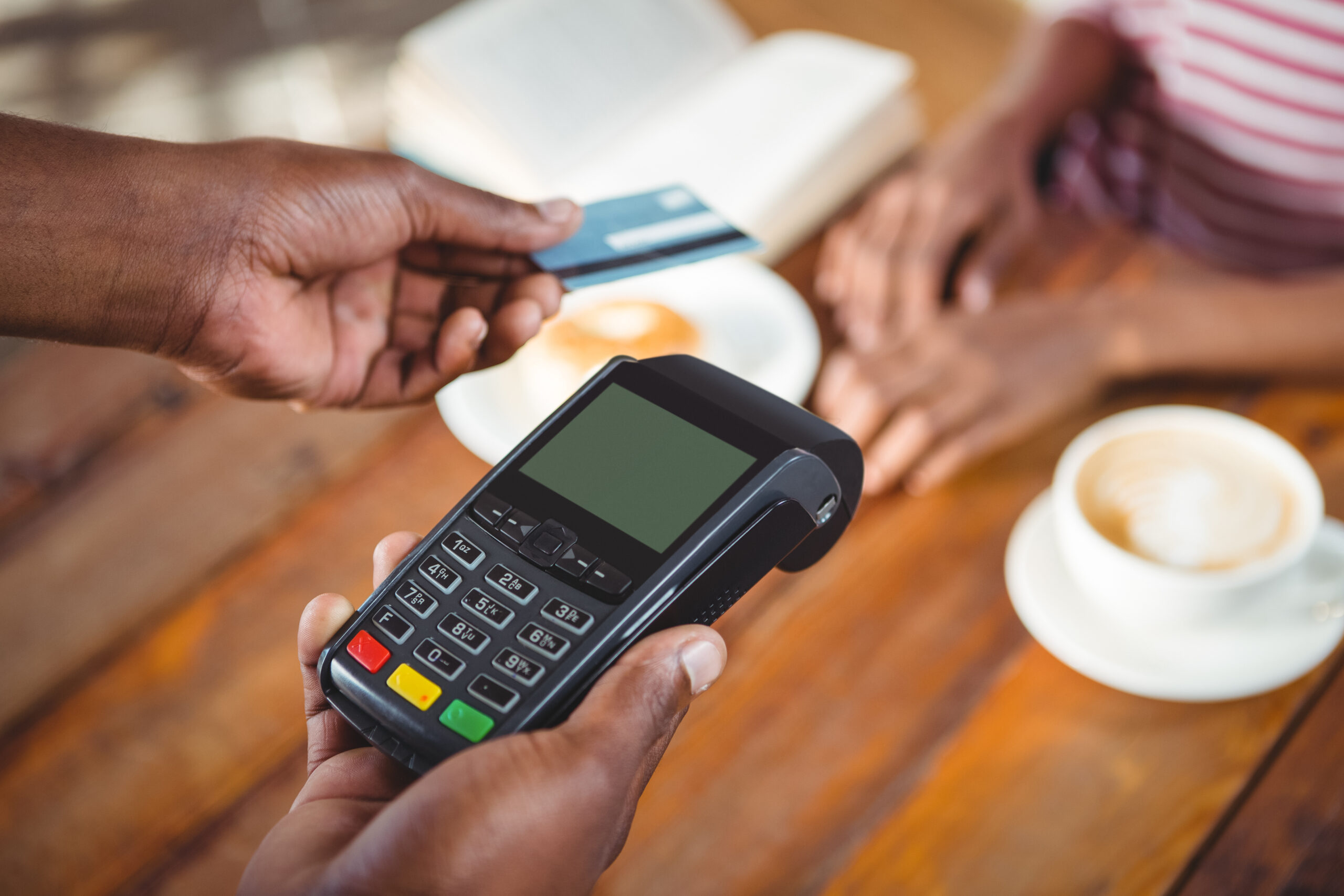
The Rise of Multi-Platform Payment Systems in Singapore
Businesses in Singapore are increasingly adopting multiple payment platforms as part of their daily operations. In today’s digital economy, companies are no longer relying solely on traditional bank transfers or cash transactions. Instead, businesses are now accepting payments through credit card gateways, PayNow, Stripe, GrabPay, Shopify integrations, QR payments, e-wallets, online banking systems, subscription billing tools, and various digital invoicing platforms. This shift has accelerated significantly in recent years due to changing consumer preferences, digital transformation initiatives, and the rapid growth of e-commerce and online services.
For SMEs, using multiple payment platforms often improves customer convenience and enhances business flexibility. Customers now expect fast and seamless payment experiences, whether they are purchasing products online, making service payments through mobile devices, or paying invoices digitally. Businesses that fail to provide flexible payment methods may risk losing customers to competitors that offer smoother transaction experiences.
However, while multiple payment systems create operational advantages, they also introduce significant financial management challenges. Many SMEs underestimate how difficult it can become to coordinate transactions across different financial systems. Without proper bookkeeping processes and financial coordination, businesses may struggle with incomplete records, reconciliation errors, inaccurate reporting, and poor visibility over their actual financial position.
This is why bookkeeping services in Singapore are becoming increasingly important for businesses operating in a highly digital payment environment. Professional bookkeeping support helps businesses maintain financial clarity while ensuring that multiple payment channels remain properly tracked and reconciled.
How Digital Payments Have Changed Business Operations
The way businesses receive and process money has changed dramatically over the past decade. In the past, many SMEs primarily relied on cash transactions, cheque payments, or direct bank transfers. Financial records were often easier to monitor because transactions flowed through fewer systems. Today, businesses may receive payments from multiple sources simultaneously, each with different processing structures, settlement timelines, and transaction records.
For example, an SME operating both physical and online sales channels may receive payments through online marketplaces, payment gateways, mobile wallets, subscription systems, and direct bank transfers all within the same day. Some platforms may deduct transaction fees automatically, while others release payments on delayed settlement schedules. Certain systems may also generate reports differently, making it more complicated to maintain accurate financial records.
As businesses continue adopting digital tools and automation, the volume of financial data generated daily also increases substantially. Without proper coordination, SMEs may experience confusion regarding outstanding payments, transaction matching, or revenue tracking. Inaccurate financial records can eventually affect budgeting decisions, tax reporting, and overall business performance.
Bookkeeping services in Singapore now play a much larger role than traditional data entry alone. Modern bookkeeping increasingly involves coordinating digital financial information across multiple systems to ensure businesses maintain accurate and organised financial records.
The Financial Risks of Poor Payment Coordination
Many SMEs initially focus on operational growth and customer convenience when implementing multiple payment platforms. However, insufficient financial coordination may create hidden risks that gradually affect business stability. One of the most common issues involves transaction mismatches between accounting records and actual payment settlements.
For example, businesses may record revenue based on sales generated through online platforms without accounting for payment gateway deductions, delayed transfers, refunds, or platform service charges. Over time, these discrepancies can create inaccurate financial reports and cash flow confusion. Management may mistakenly assume that business performance is stronger than reality because financial records do not fully reflect operational costs or settlement timing differences.
Another major challenge involves duplicate or missing transaction records. Businesses using several payment platforms simultaneously may struggle to track whether all incoming payments have been properly recorded. In some cases, employees may manually enter transaction information from different systems, increasing the likelihood of human error or duplicated entries.
Cybersecurity and fraud risks also become more significant when multiple financial systems are involved. Every additional payment platform increases the number of access points connected to the business’s financial operations. Weak password management, poor approval controls, or insufficient monitoring procedures may expose businesses to unauthorised transactions or financial manipulation.
Without proper bookkeeping coordination, SMEs may find it difficult to identify irregularities early. Financial issues that initially appear minor may eventually escalate into larger operational or compliance problems if left unresolved.
Why Financial Visibility Matters More in 2026
Financial visibility has become increasingly important for businesses operating in Singapore’s evolving economic environment. Rising operational costs, economic uncertainty, changing consumer behaviour, and digital competition have increased pressure on SMEs to make faster and more informed business decisions. Companies can no longer afford to rely on incomplete or outdated financial information when managing daily operations.
Businesses using multiple payment systems often face challenges in obtaining a clear overview of their actual financial position. Revenue may be spread across several platforms, while settlement timelines may vary significantly between providers. Some payment gateways release funds immediately, while others may hold settlements for several business days. Refunds, disputes, chargebacks, and transaction fees further complicate financial tracking.
As a result, businesses may struggle to monitor actual cash flow accurately. This creates difficulties when planning operational expenses, managing payroll, forecasting budgets, or preparing for tax obligations. Inaccurate financial visibility may also reduce management’s ability to identify financial weaknesses or operational inefficiencies early.
Professional bookkeeping services in Singapore help businesses consolidate financial information from multiple sources into structured and reliable financial records. By improving financial visibility, businesses can make more confident decisions regarding expansion, budgeting, staffing, and operational planning.
The Growing Importance of Real-Time Reconciliation
In today’s digital economy, financial reconciliation can no longer be treated as an occasional administrative task. Businesses using multiple payment platforms increasingly require real-time or frequent reconciliation processes to maintain financial accuracy and operational control.
Reconciliation refers to the process of matching financial transactions between accounting records and external payment systems. This ensures that recorded revenue accurately reflects actual incoming funds after deducting processing fees, refunds, and adjustments. Without regular reconciliation, discrepancies may accumulate over time and become more difficult to identify later.
For example, businesses using e-commerce platforms may experience situations where sales reports differ from actual bank deposits due to platform commissions or delayed settlements. Similarly, subscription-based businesses may face complications involving recurring payments, failed transactions, or automatic renewals. If these differences are not properly reconciled, financial reports may become unreliable.
The increasing speed of digital transactions also means that financial issues can escalate more quickly than before. A reconciliation problem that goes unnoticed for several weeks may eventually affect tax filings, supplier payments, or cash flow planning. This is especially problematic for SMEs operating with tighter financial margins.
Bookkeeping services in Singapore now increasingly focus on helping businesses establish structured reconciliation procedures that support financial accuracy within fast-moving digital environments.
How Automation Helps but Does Not Eliminate Risk
Automation has transformed bookkeeping and payment processing significantly over the past few years. Many businesses now use accounting software that automatically syncs with payment platforms and bank accounts. These tools improve efficiency by reducing manual data entry and accelerating transaction recording processes.
However, automation does not eliminate financial risks entirely. In fact, overreliance on automation without proper oversight may create additional vulnerabilities. Automated systems are still dependent on accurate configurations, proper integrations, and consistent monitoring. Incorrect settings, duplicated syncs, or integration failures may generate inaccurate financial data without immediate detection.
Businesses often assume that automated systems guarantee perfect financial accuracy. Unfortunately, this is not always the case. Payment platforms may categorise transactions differently, while software integrations may occasionally fail or misclassify entries. If businesses rely entirely on automated reports without proper review procedures, financial discrepancies may remain unnoticed for extended periods.
Human oversight remains essential even within highly automated financial environments. Professional bookkeeping services help businesses review automated records, identify inconsistencies, and ensure that financial information remains reliable. Rather than replacing bookkeeping professionals, automation has changed the nature of bookkeeping toward more analytical and supervisory responsibilities.
Why Investors and Banks Expect Better Financial Coordination
Investors, lenders, and financial institutions are placing greater emphasis on financial transparency and operational governance when evaluating businesses. SMEs seeking loans, financing, or investment opportunities must increasingly demonstrate that their financial records are organised, accurate, and professionally maintained.
Businesses operating across multiple payment systems may appear operationally sophisticated, but poor financial coordination can quickly undermine stakeholder confidence. Inconsistent records, reconciliation gaps, or unclear transaction histories may create concerns regarding internal controls and financial reliability.
Banks and investors often review financial statements carefully before approving financing applications or investment opportunities. Businesses with strong bookkeeping practices and reliable financial reporting are generally viewed as lower-risk and better managed. On the other hand, businesses with disorganised records may face delays, reduced financing confidence, or additional scrutiny during financial reviews.
Professional bookkeeping services in Singapore help businesses strengthen financial credibility by maintaining structured financial records and ensuring consistent reporting accuracy across multiple payment systems. This becomes increasingly valuable as SMEs seek to scale operations or pursue expansion opportunities.
Cybersecurity Risks in Multi-Platform Financial Environments
As businesses adopt more digital payment systems, cybersecurity risks also become more complex. Every additional payment platform introduces another layer of financial access and data exposure. Businesses must now manage multiple user accounts, system integrations, transaction permissions, and financial databases simultaneously.
Cybercriminals increasingly target SMEs because smaller businesses may lack sophisticated cybersecurity infrastructure or dedicated IT departments. A compromised payment platform account may expose sensitive customer information, disrupt business operations, or result in financial losses.
Weak internal controls often contribute to these vulnerabilities. Employees may share login credentials, use unsecured devices, or fail to follow proper verification procedures when handling financial systems. In businesses where financial coordination is already weak, suspicious activities may remain undetected for longer periods.
Bookkeeping services play an important role in supporting financial governance and operational accountability. While bookkeeping alone does not replace cybersecurity systems, organised financial monitoring helps businesses identify irregular transaction patterns and improve oversight of financial activities across multiple platforms.
The Future of Financial Coordination for SMEs
The future of business finance in Singapore will likely become even more digital and interconnected. As payment technologies continue evolving, SMEs may eventually manage dozens of integrated financial systems simultaneously. Digital wallets, AI-driven accounting tools, subscription billing platforms, automated invoicing systems, and cross-border payment solutions will continue reshaping how businesses handle financial transactions.
This evolution creates both opportunities and challenges. Businesses that successfully coordinate financial information across multiple systems may enjoy stronger operational efficiency, better decision-making capabilities, and improved customer experiences. However, businesses that neglect financial coordination may face increasing operational complexity and higher exposure to financial risks.
Bookkeeping services in Singapore will continue evolving alongside these trends. Rather than functioning purely as administrative support, bookkeeping professionals are increasingly becoming strategic partners in helping businesses maintain financial clarity within complex digital ecosystems.
As SMEs continue navigating digital transformation, proper financial coordination will become more important than ever. Businesses that prioritise organised bookkeeping practices, regular reconciliation, and strong financial oversight today may ultimately position themselves for stronger long-term stability and sustainable growth in Singapore’s increasingly technology-driven economy.