
A Shift That Is Reshaping Business Finance in Singapore
Singapore accounting services have undergone a significant transformation over the past decade, moving from traditional spreadsheet-based systems to advanced automated solutions. This shift is not merely a technological upgrade but a fundamental change in how businesses manage, interpret, and utilise financial data. In a fast-paced economy like Singapore, where compliance, accuracy, and speed are critical, relying on outdated manual processes is becoming increasingly unsustainable. As businesses face growing regulatory demands and competitive pressures, the evolution of accounting services is no longer optional but necessary for survival and growth.
The Early Days: Dependence on Spreadsheets and Manual Processes
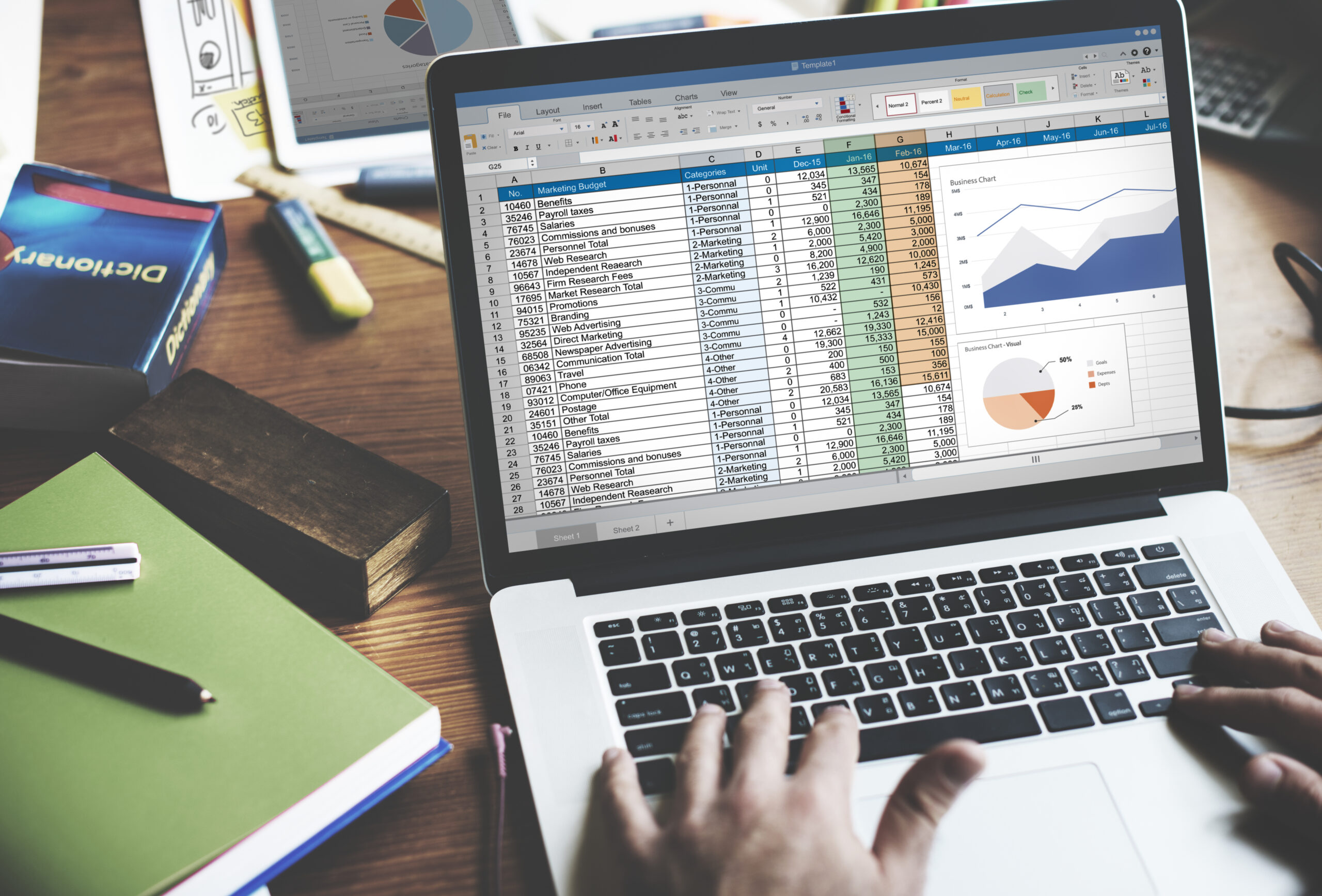
In the past, most Singapore accounting services relied heavily on spreadsheets such as Microsoft Excel to manage financial records. While spreadsheets offered flexibility and accessibility, they were also prone to human error, version control issues, and inefficiencies. Accountants spent countless hours manually entering data, reconciling transactions, and preparing financial reports. For SMEs, this approach was often seen as cost-effective, but it came with hidden risks, including inaccurate reporting and delayed financial insights. Despite these limitations, spreadsheets remained the backbone of accounting practices for many years due to their familiarity and low upfront cost.
Limitations of Traditional Accounting Methods in a Modern Economy
As Singapore’s business environment became more complex, the limitations of spreadsheet-based accounting became increasingly evident. Manual processes struggled to keep up with higher transaction volumes, multi-entity structures, and evolving compliance requirements set by ACRA and IRAS. Errors in formulas, duplicated entries, and lack of real-time visibility created inefficiencies that affected decision-making. Businesses found themselves reacting to financial issues rather than proactively managing them. This gap between traditional accounting methods and modern business needs created the demand for more advanced Singapore accounting services.
The Rise of Cloud-Based Accounting Solutions
The introduction of cloud accounting marked a major turning point in Singapore accounting services. Platforms such as Xero and QuickBooks Online allowed businesses to move away from static spreadsheets and adopt real-time, centralised financial systems. Cloud solutions enabled seamless access to financial data from anywhere, improved collaboration between accountants and clients, and reduced the risk of data loss. More importantly, these systems introduced automation features that streamlined routine tasks such as bank reconciliation, invoicing, and expense tracking. This shift laid the foundation for the next stage of evolution in accounting services.
Automation Enters the Scene: Redefining Efficiency in Accounting
Automation has become a defining feature of modern Singapore accounting services. Tasks that once required manual input are now handled by intelligent systems that can process large volumes of data quickly and accurately. Automated bank feeds, invoice recognition, and recurring transaction entries have significantly reduced the time required for basic accounting functions. This not only improves efficiency but also minimises human error, which is a common issue in manual processes. As a result, accountants are able to focus on higher-value tasks such as analysis and advisory, rather than routine data entry.
The Role of Artificial Intelligence in Modern Accounting Services
Artificial intelligence is further accelerating the transformation of Singapore accounting services. AI-powered tools are capable of categorising transactions, detecting anomalies, and even predicting financial trends based on historical data. This level of intelligence allows businesses to gain deeper insights into their financial performance and make more informed decisions. In Singapore, where businesses are increasingly adopting digital solutions, AI is becoming a key differentiator among accounting service providers. Companies that leverage AI-driven accounting services are better positioned to stay competitive in a rapidly evolving market.
Real-Time Financial Data: A Game Changer for Decision-Making
One of the most significant benefits of automation in Singapore accounting services is the availability of real-time financial data. Unlike traditional methods where reports are generated periodically, automated systems provide up-to-date financial information at any given moment. This enables business owners to monitor cash flow, track expenses, and assess profitability in real time. With immediate access to accurate data, companies can respond quickly to changes in the market, identify potential issues early, and make strategic decisions with confidence.
Improved Compliance Through Digital Accounting Systems
Compliance has always been a critical aspect of Singapore accounting services, and automation has made it easier to meet regulatory requirements. Digital accounting systems are designed to align with local standards, ensuring that financial records are maintained accurately and consistently. Features such as automated GST calculations, audit trails, and standardised reporting formats help businesses comply with ACRA and IRAS regulations. By reducing the risk of errors and omissions, automated accounting services provide greater assurance that companies remain compliant at all times.
The Impact of InvoiceNow and Digitalisation Initiatives
Singapore’s push towards digitalisation has played a significant role in the evolution of accounting services. Initiatives such as InvoiceNow have encouraged businesses to adopt e-invoicing systems that integrate directly with accounting platforms. This reduces manual data entry and speeds up the invoicing and payment process. As more companies adopt digital solutions, Singapore accounting services are becoming increasingly interconnected, creating a more efficient and transparent financial ecosystem. This trend is expected to continue as the government promotes further digital transformation among SMEs.
From Record-Keeping to Strategic Advisory Services
The evolution of Singapore accounting services has shifted the role of accountants from record-keepers to strategic advisors. With automation handling routine tasks, accountants can focus on analysing financial data, identifying trends, and providing actionable insights. This added value is particularly important for SMEs that may not have in-house financial expertise. By leveraging modern accounting services, businesses can gain access to professional advice that supports growth, improves profitability, and enhances overall financial management.
Challenges in Transitioning from Spreadsheets to Automation
Despite the benefits, transitioning from traditional spreadsheets to automated accounting systems is not without challenges. Businesses may face initial resistance due to unfamiliarity with new technologies or concerns about cost. Data migration can also be complex, especially for companies with large volumes of historical data. Additionally, there may be a learning curve as employees adapt to new systems and processes. However, these challenges are often temporary and can be managed with proper planning and support from experienced accounting service providers.
Cost Considerations and Long-Term Value of Automation
While automated Singapore accounting services may involve higher upfront costs compared to manual methods, they offer significant long-term value. The reduction in errors, improved efficiency, and enhanced decision-making capabilities can lead to substantial cost savings over time. Businesses can also benefit from better cash flow management and reduced compliance risks, which further contribute to financial stability. When evaluating accounting services, it is important to consider not just the cost but the overall value delivered by automation.
The Competitive Advantage of Modern Accounting Services
In a highly competitive business environment like Singapore, adopting modern accounting services can provide a significant advantage. Companies that utilise automated systems are able to operate more efficiently, respond faster to market changes, and maintain higher levels of accuracy in their financial reporting. This not only improves internal operations but also enhances credibility with stakeholders such as investors, lenders, and partners. As a result, modern Singapore accounting services are becoming a key factor in business success.
The Future of Singapore Accounting Services in an AI-Driven Economy
Looking ahead, the evolution of Singapore accounting services is expected to continue as technology advances. Artificial intelligence, machine learning, and data analytics will play an increasingly important role in shaping the future of accounting. Businesses will have access to more sophisticated tools that provide deeper insights and predictive capabilities. As Singapore continues to position itself as a digital and financial hub, the adoption of advanced accounting technologies will become even more widespread.
Conclusion: Embracing the Evolution for Sustainable Growth
The journey from spreadsheets to automation represents a significant milestone in the evolution of Singapore accounting services. While traditional methods served their purpose in the past, they are no longer sufficient to meet the demands of today’s business environment. Automation and digitalisation have transformed accounting into a more efficient, accurate, and strategic function. For businesses in Singapore, embracing this evolution is essential for maintaining compliance, improving financial performance, and achieving long-term growth. By partnering with a modern accounting service provider, companies can fully leverage the benefits of this transformation and stay ahead in an increasingly competitive market.