
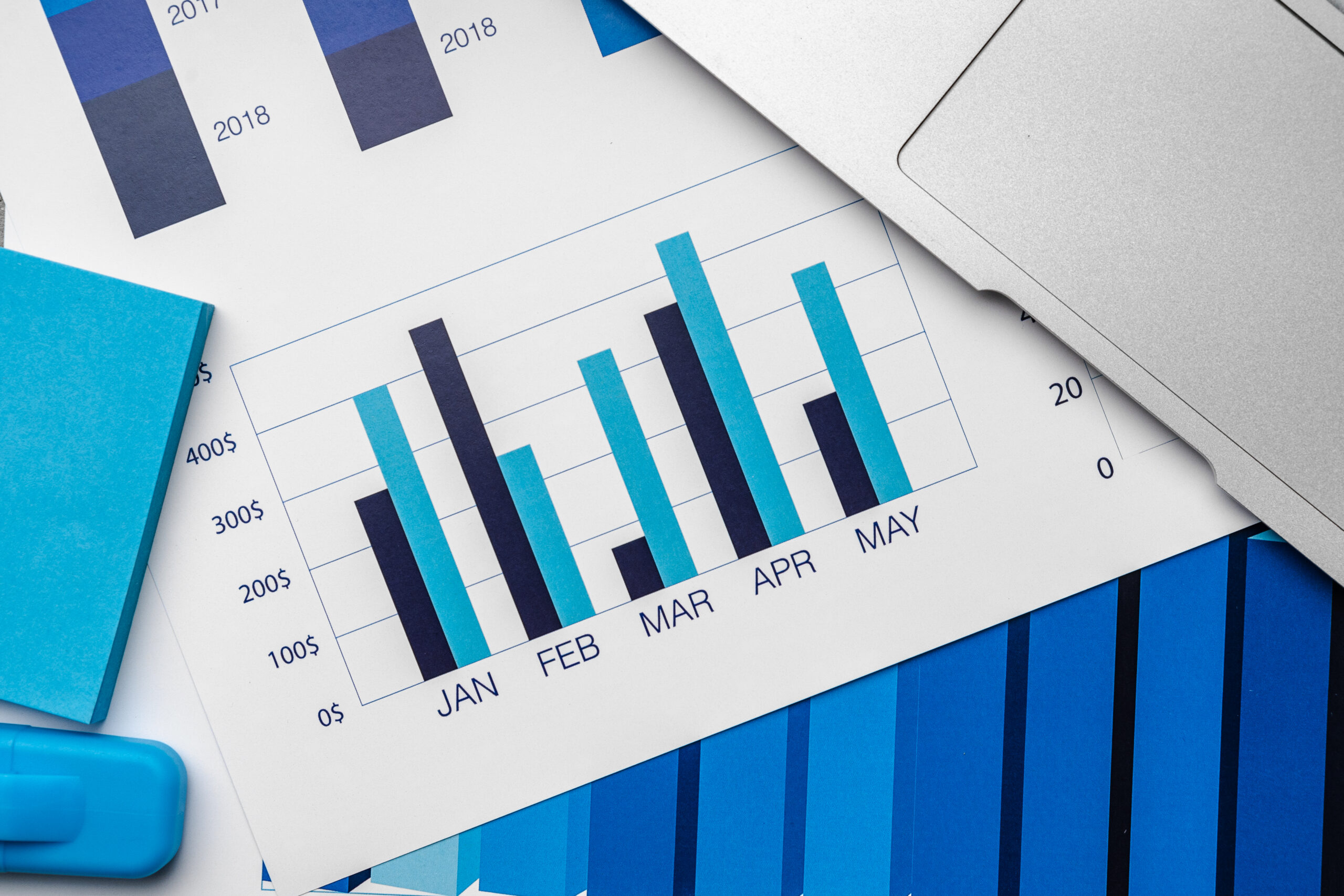
Financial reporting is one of the most important aspects of managing a business. Companies rely on financial reports to evaluate performance, understand profitability, manage cash flow, and comply with regulatory requirements. In Singapore’s competitive business environment, maintaining accurate and timely financial records is essential for both operational decision-making and regulatory compliance. This is why many companies rely on professional Accounting Services Singapore to ensure their financial reports are properly prepared and interpreted.
One of the common questions business owners have is the difference between monthly financial reporting and annual financial reporting. While both forms of reporting are important, they serve different purposes and provide different levels of insight into a company’s financial performance. Understanding how these two reporting approaches work can help businesses improve financial management and make more informed strategic decisions.
The Role of Financial Reporting in Business Management
Financial reporting refers to the preparation of financial statements that summarise a company’s financial activities over a specific period. These reports typically include key documents such as the income statement, balance sheet, and cash flow statement. Together, these reports provide a comprehensive view of how a company generates revenue, manages expenses, and maintains financial stability.
Professional Accounting Services Singapore help businesses maintain accurate financial records and produce reliable financial reports. These reports are essential not only for internal management but also for external stakeholders such as investors, lenders, and regulatory authorities.
Financial reporting helps businesses track profitability, monitor financial health, and evaluate whether the company is achieving its financial objectives. Without proper reporting, business owners may struggle to understand whether their company is performing well or facing hidden financial risks.
Understanding Monthly Financial Reporting
Monthly financial reporting involves preparing financial statements at the end of every month. These reports provide regular updates on a company’s financial performance and allow management to monitor financial activities in near real time.
Companies that engage professional Accounting Services Singapore often request monthly financial reports because they provide valuable insights into the company’s operational performance. Instead of waiting until the end of the financial year to review financial results, monthly reporting allows businesses to identify trends and issues much earlier.
For example, monthly financial reports can reveal whether sales are increasing or declining, whether expenses are rising unexpectedly, or whether cash flow is becoming constrained. By identifying these issues early, business owners can take corrective action before problems escalate.
Monthly financial reporting is particularly valuable for growing companies that need to closely monitor their financial performance. Businesses operating in dynamic industries often experience fluctuations in revenue and expenses, and monthly reports help management respond quickly to these changes.
Key Insights Provided by Monthly Financial Reports
Monthly financial reports typically include detailed information about revenue, expenses, and profitability for the reporting period. These reports also track financial trends over time, allowing businesses to compare current performance with previous months.
Through Accounting Services Singapore, businesses can receive monthly financial reports that highlight key performance indicators such as gross profit margins, operating expenses, and net profit. These insights allow business owners to understand which areas of the business are performing well and which areas may require improvement.
Monthly financial reports also help businesses monitor cash flow. Even profitable companies can encounter financial difficulties if cash flow is not properly managed. Regular financial reporting ensures that businesses remain aware of their liquidity position and can plan ahead for upcoming financial obligations.
The Purpose of Annual Financial Reporting
While monthly financial reporting focuses on operational monitoring, annual financial reporting serves a different purpose. Annual financial statements provide a comprehensive summary of a company’s financial performance over the entire financial year.
Annual financial reporting is particularly important for regulatory compliance. In Singapore, companies are required to prepare financial statements in accordance with the Singapore Financial Reporting Standards. These financial statements may also be required for statutory filings, tax reporting, and shareholder reporting.
Professional Accounting Services Singapore assist companies in preparing accurate annual financial statements that comply with regulatory requirements. These reports typically include detailed financial disclosures and supporting notes that provide a complete overview of the company’s financial position.
Annual financial reports also serve as the foundation for tax filing and audit procedures. Businesses must ensure that their financial records are accurate and properly documented before submitting their annual reports.
Key Differences Between Monthly and Annual Reporting
The primary difference between monthly and annual financial reporting lies in the frequency and purpose of the reports. Monthly reports are primarily used for internal management and operational monitoring, while annual reports are typically used for compliance and external reporting.
Monthly financial reporting allows businesses to track performance throughout the year and make timely adjustments to their operations. In contrast, annual financial reporting summarises the entire year’s performance and provides a formal record of the company’s financial results.
Another important difference is the level of detail provided in the reports. Monthly reports often focus on operational metrics and short-term financial trends. Annual reports, on the other hand, provide a broader overview of the company’s financial position and include additional disclosures required by accounting standards.
Companies that utilise professional Accounting Services Singapore often combine both reporting approaches. Monthly reports provide ongoing financial insights, while annual reports ensure compliance with statutory obligations.
Why Monthly Reporting Supports Better Decision-Making
One of the key advantages of monthly financial reporting is that it allows business owners to make data-driven decisions based on up-to-date financial information. Without regular financial reports, companies may rely on outdated data or incomplete information when making strategic decisions.
Through Accounting Services Singapore, businesses can access timely financial reports that help them evaluate operational performance and plan future growth. For example, if monthly reports reveal that certain product lines are generating higher profit margins, businesses can allocate more resources to expanding those products.
Monthly reporting also allows businesses to control costs more effectively. By reviewing expense trends regularly, companies can identify areas where spending may be excessive and implement cost control measures before financial performance is affected.
Another benefit of monthly financial reporting is improved accountability within the organisation. When financial results are reviewed regularly, management teams remain more focused on financial discipline and operational efficiency.
The Importance of Annual Reporting for Compliance
While monthly financial reporting provides operational insights, annual financial reporting remains essential for compliance with regulatory requirements. Companies must ensure that their financial statements accurately reflect their financial activities and comply with applicable accounting standards.
Professional Accounting Services Singapore ensure that annual financial reports are prepared in accordance with regulatory guidelines and accounting standards. This helps businesses avoid potential compliance issues and maintain credibility with regulators and stakeholders.
Annual financial reports are also used by investors and lenders to evaluate a company’s financial stability. When businesses seek financing or investment, financial institutions often review annual financial statements to assess the company’s financial health and creditworthiness.
Accurate annual reporting therefore plays a crucial role in maintaining trust with external stakeholders.
Integrating Monthly and Annual Reporting for Financial Clarity
Many businesses initially focus only on annual financial reporting because it is required for compliance. However, companies that adopt both monthly and annual reporting practices gain a much clearer understanding of their financial performance.
By working with professional Accounting Services Singapore, businesses can integrate monthly reporting into their financial management process. Monthly reports provide continuous financial insights, while annual reports consolidate the year’s results for regulatory and external reporting purposes.
This integrated approach allows businesses to maintain financial transparency throughout the year while ensuring compliance with statutory obligations. It also enables management teams to make better decisions based on reliable financial data.
How Professional Accounting Services Support Financial Reporting
Maintaining accurate financial records requires careful bookkeeping, proper documentation, and adherence to accounting standards. Many businesses choose to engage professional Accounting Services Singapore to manage these responsibilities efficiently.
Experienced accountants ensure that financial transactions are properly recorded and categorised throughout the year. This ensures that both monthly and annual financial reports are based on accurate data. Professional accounting support also helps businesses streamline financial reporting processes and reduce the risk of errors.
In addition to preparing financial reports, accountants can also help interpret financial data and provide insights that support strategic decision-making. This advisory role is particularly valuable for small and medium-sized enterprises that may not have dedicated in-house finance teams.
Strengthening Financial Management
Through Reliable Reporting
Effective financial reporting is a cornerstone of responsible business management. Both monthly and annual financial reports play important roles in helping businesses maintain financial transparency and achieve sustainable growth.
Monthly reports provide timely insights into operational performance and allow businesses to respond quickly to changing financial conditions. Annual reports, on the other hand, provide a comprehensive summary of financial performance and ensure compliance with regulatory requirements.
By engaging professional Accounting Services Singapore, businesses can ensure that their financial reporting processes are accurate, reliable, and aligned with industry standards. This not only supports regulatory compliance but also strengthens financial management and strategic planning.
In Singapore’s dynamic business landscape, companies that maintain clear and consistent financial reporting are better positioned to manage risks, identify growth opportunities, and build long-term financial stability.